About Digital Clamp Meters
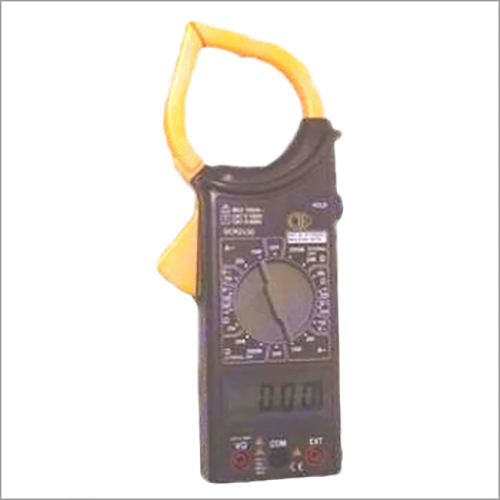
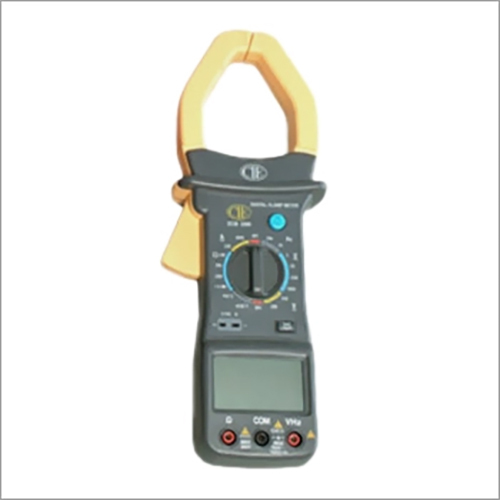
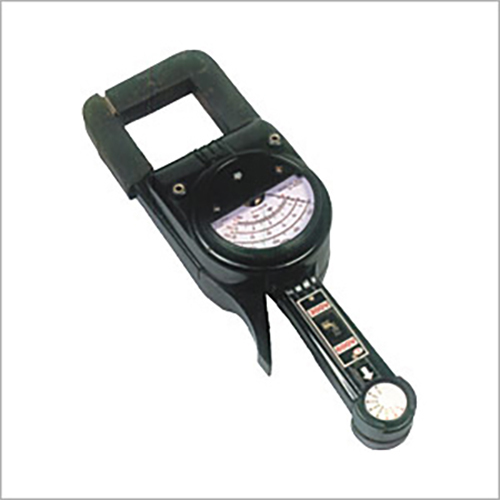
DIGITAL CLAMP METER
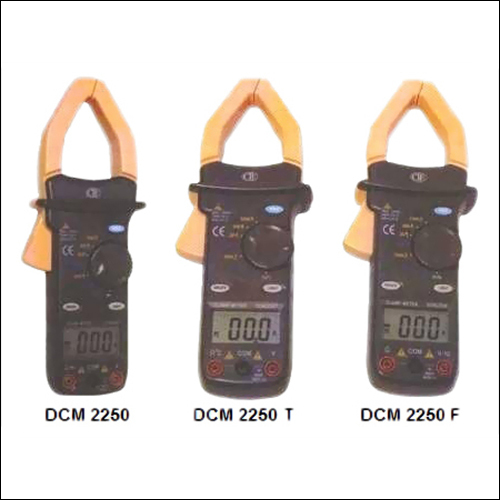
DCM 2150 DCM 2150F DCM 2150T
ACA : 200 / 1000A ACA : 200 / 1000A ACA : 20 / 200 / 400A
ACV : 750V ACV : 200 / 750V ACV : 200 / 750 V
DCV : 1000 V DCV : 2/20/200/1000 V DCV : 0.2/2/20/200/1000 V
RESISTANCE : 200/20k FREQUENCY : 2 kHz RESISTANCE : 200/20k/20M
Audible continuity test facility RESISTANCE : 200/2k/20k/200k/2M TEMPERATURE
Audible continuity and diode test facility 0 TO 750 C
Precise Current and Voltage MeasurementMeasure AC currents up to 1000A and voltage ranges from 200mV to 600V AC/DC with high accuracy. Its advanced digital LCD display and reliable sampling rate of 2 times/sec ensure precise readouts for effective troubleshooting and electrical maintenance tasks.
Enhanced Safety and DurabilityThe clamp meter features CAT III 600V safety ratings, insulation box, and overload plus short circuit protection, ensuring user safety during operations. The rugged ABS plastic construction provides shockproof and dustproof capabilities for enduring use in diverse environments.
User-Friendly Features and FunctionsDesigned for ease of use, this handheld meter offers auto power off, data hold, max/min value records, and a backlight display, making testing in challenging lighting conditions straightforward. Additional features like diode testing, continuity buzzer, and included test leads add to its versatility.
FAQs of Digital Clamp Meters:
Q: How do I use the digital clamp meter to measure AC current in wires up to 1000A?
A: To measure AC current, open the clamp jaws (up to 30mm width) and position them around the live conductor without disconnecting the circuit. The digital LCD display will show real-time current readings up to 1000A AC. Always ensure that measurements are within the devices specified range and the conductor fits safely within the jaws.
Q: What are the main benefits of using this clamp meter for electrical troubleshooting?
A: This clamp meter provides accurate and fast readings, hands-free operation, overload protection, and essential testing functions such as the continuity buzzer, diode test, and max/min value detection. Its backlight display and data hold feature are especially beneficial for work in low-light environments, enhancing both safety and efficiency.
Q: When should I use the resistance measurement function, and what is its range?
A: You should use the resistance measurement to check for circuit continuity and diagnose faulty wires or components. The meter can measure resistance from 200 to 20M, making it suitable for a wide range of troubleshooting and maintenance tasks in electrical installations.
Q: Where can this clamp meter be applied within Indias electrical industry?
A: This clamp meter is widely used by electricians, technicians, and engineers for maintenance, system testing, and fault detection across industrial, commercial, and residential settings. Indian distributors, manufacturers, suppliers, exporters, and traders find it valuable for regular quality checks and equipment verification.
Q: What is the process for performing a diode check and continuity test with the meter?
A: Switch the meter to the diode or continuity function, connect the test leads to the points being tested, and observe the reading on the display. A successful continuity test will trigger the buzzer, while the diode test will show forward voltage drop values, helping verify device integrity.
Q: How does the auto power off feature contribute to battery life and usability?
A: The auto power off function automatically switches off the device after a period of inactivity, conserving energy and extending the typical AAA battery life to approximately 200 hours. This feature helps prevent accidental battery drain, making the meter reliable for frequent use.
Q: What protection systems are included for safe operation during measurement tasks?
A: The clamp meter incorporates overload and short circuit protection, ensuring user safety and device integrity when exposed to currents or voltages beyond its rated capacity. The insulation box and high safety rating (CAT III 600V) further reduce risks during professional electrical work.





 Send Inquiry
 Get Latest Price

